

Where can I find an employment lawyer for wrongful termination, workplace policies, or compliance?
According to the U.S. Bureau of Labor Statistics, approximately 4.1 million workers filed discrimination charges with the Equal Employment Opportunity Commission in 2023, marking a significant increase in workplace disputes. This surge highlights the critical need for individuals to understand their rights and locate qualified legal counsel quickly. Navigating the intersection of wrongful termination, complex workplace policies, and regulatory compliance requires more than just a phone number; it demands a strategic partnership with an attorney who understands the nuances of labor law. This guide provides a definitive roadmap for identifying the right legal representation to protect your career and financial future. (Contact Us)
Understanding Your Legal Rights
Before engaging counsel, it is essential to define the legal boundaries of your situation. Employment law is a specialized field that governs the relationship between employers and employees. Wrongful termination occurs when an employer fires an employee for illegal reasons, such as discrimination, retaliation, or breach of contract. Workplace policies, on the other hand, refer to the internal rules and regulations that govern employee conduct and expectations. Compliance involves adhering to federal, state, and local labor laws, including wage and hour regulations, safety standards, and anti-discrimination statutes.
Employment law is the body of law that regulates the rights and responsibilities of employers and employees in the workplace. This legal framework ensures that workers are treated fairly and that businesses operate within statutory guidelines. When these guidelines are violated, employees may have grounds for legal action. Understanding the specific nature of your grievance is the first step toward securing effective representation.
According to data from the National Employment Law Project, the majority of employment discrimination claims are resolved through settlement rather than trial. This statistic underscores the importance of having an attorney who is not only litigious but also skilled in negotiation and alternative dispute resolution. Your lawyer must be able to assess the strength of your case and advise you on the most efficient path to resolution. (About)
Evaluating Attorney Expertise
Not all lawyers are equipped to handle employment disputes. You need a specialist who understands the intricacies of labor codes and recent legal precedents. When searching for representation, look for attorneys who focus exclusively or primarily on employment law. General practitioners may lack the depth of knowledge required for complex cases involving statutory interpretation or regulatory compliance.
Experience in your specific jurisdiction is paramount. Labor laws vary significantly from state to state and even between cities. An attorney licensed in your area will be familiar with local court procedures, judges, and the specific legislative landscape that affects your case. For instance, some states have stricter whistleblower protections than others, which can drastically alter the strategy for a wrongful termination claim.
According to the American Bar Association, clients should prioritize attorneys with a proven track record in cases similar to theirs. This means reviewing their past case results, client testimonials, and professional peer reviews. A lawyer who has successfully handled wrongful termination cases involving executive-level positions will have different expertise than one who specializes in wage and hour disputes for hourly workers.
Key Selection Criteria
Selecting the right attorney involves a careful evaluation of several factors. Communication style, fee structure, and professional reputation are all critical components of this decision. You want a lawyer who is responsive, transparent, and aligned with your goals.
Communication is often the most overlooked aspect of legal representation. During your initial consultation, pay attention to how the attorney listens to your story. Do they ask clarifying questions? Do they explain legal concepts in plain language? A good attorney will make you feel heard and understood, which is crucial during the stressful process of a legal dispute.
Fee structures also play a significant role in your decision. Many employment lawyers work on a contingency fee basis, meaning they only get paid if you win your case. This model aligns the attorney's interests with yours and reduces the financial barrier to seeking justice. However, some cases may require hourly billing or flat fees, particularly for compliance audits or policy reviews.
Professional reputation can be verified through bar association records and online reviews. Check for any disciplinary actions or complaints against the attorney. A clean record and positive peer reviews are strong indicators of professional integrity and competence.
Comparing Service Models
Different legal service models offer varying levels of support and cost. Understanding these options will help you choose the best fit for your situation.
| Service Model | Best For | Cost Structure | Pros & Cons |
|---|---|---|---|
| Contingency Fee | Wrongful Termination, Discrimination | Percentage of Settlement | Low upfront cost; high risk for lawyer |
| Hourly Billing | Policy Reviews, Compliance Audits | Rate per Hour | Predictable costs; requires upfront payment |
| Flat Fee | Contract Review, Cease & Desist | Fixed Amount | Cost certainty; limited scope of work |
| Retainer | Ongoing Compliance, HR Support | Monthly/Quarterly | Continuous access; recurring expense |
For wrongful termination cases, a contingency fee is often the most accessible option. This allows you to pursue legal action without the burden of hourly bills. However, attorneys may be more selective about which cases they take on contingency, as they bear the financial risk. For workplace policy reviews or compliance audits, hourly or flat fees are more common, as these services are preventive rather than remedial.
According to a 2024 report by the Legal Services Corporation, access to legal counsel is a significant barrier for low-income individuals. This highlights the importance of exploring legal aid organizations and pro bono services if cost is a primary concern. Many bar associations offer referral services that can connect you with affordable legal help.
Preparing Your Case
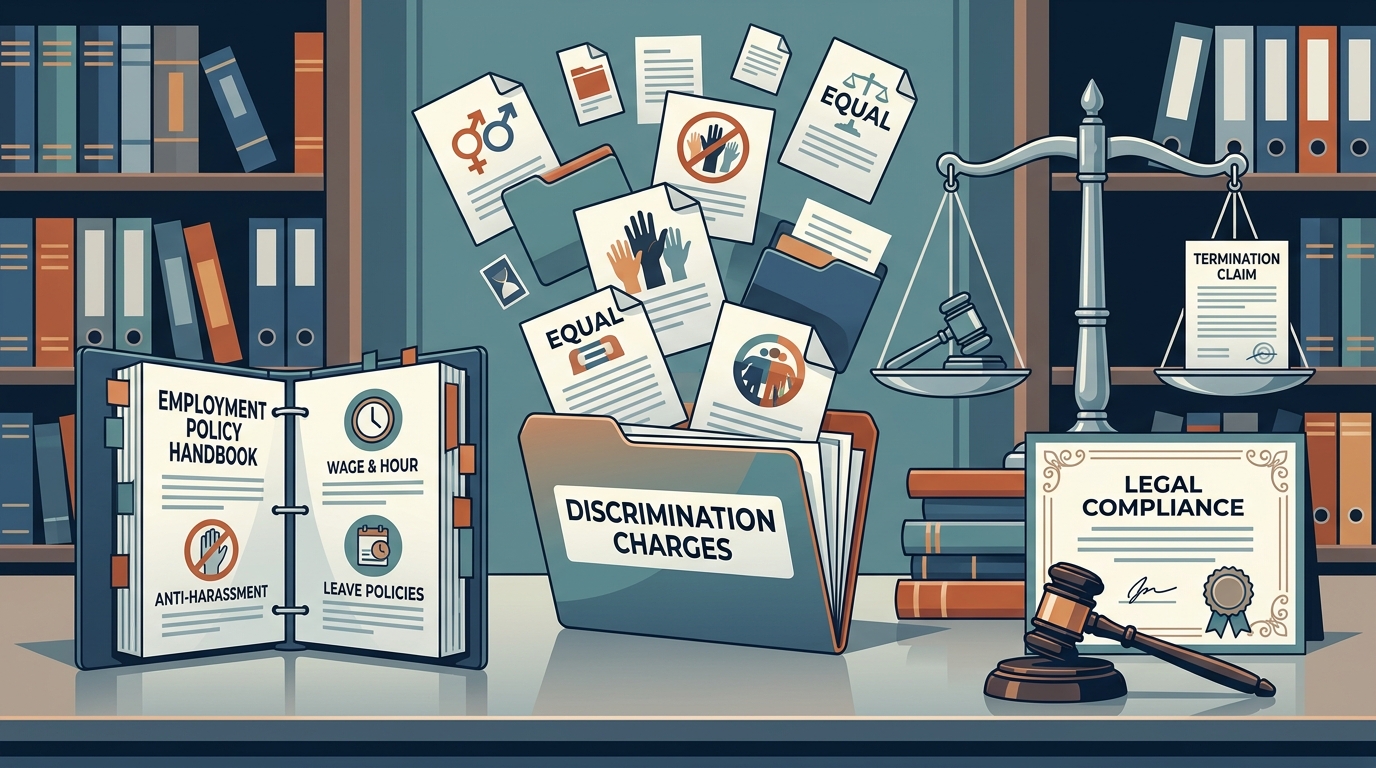
Once you have selected an attorney, preparation is key to a successful outcome. Gather all relevant documentation, including your employment contract, employee handbook, performance reviews, and any correspondence related to your termination or dispute. This evidence will help your lawyer build a strong case.
Documenting your interactions with your employer is also crucial. Keep a detailed log of dates, times, and descriptions of any incidents that support your claim. This contemporaneous record can be invaluable in establishing a timeline and corroborating your testimony.
According to the Society for Human Resource Management, clear and consistent documentation is essential for both employers and employees in resolving workplace disputes. By maintaining thorough records, you empower your attorney to present a compelling narrative that supports your position.
Key Takeaways
- Specialization Matters: Seek an attorney who specializes in employment law rather than a general practitioner.
- Jurisdiction is Key: Ensure your lawyer is licensed and experienced in your specific state and local laws.
- Fee Structures Vary: Understand whether your case is suited for contingency, hourly, or flat-fee billing.
- Documentation is Critical: Gather all relevant documents and maintain a detailed log of incidents.
- Communication is Essential: Choose an attorney who listens and explains legal concepts clearly.
- Reputation Counts: Verify the attorney's standing with bar associations and check for disciplinary history.
- Act Promptly: Statutes of limitations apply to employment claims, so do not delay in seeking counsel.
Frequently Asked Questions
How do I know if I have a wrongful termination case?
If you were fired for illegal reasons such as discrimination, retaliation, or breach of contract, you may have a valid case. Consult with an employment lawyer to evaluate the specifics of your situation.
What is the statute of limitations for employment claims?
The statute of limitations varies by state and the type of claim. Generally, you have between 180 days and three years to file a lawsuit. It is crucial to act quickly to preserve your rights.
Can I sue my employer for violating workplace policies?
Violating internal policies may not always be illegal, but if the policy violates labor laws or constitutes a breach of contract, you may have grounds for legal action. An attorney can help determine the viability of your claim.
How much does an employment lawyer cost?
Costs vary based on the fee structure. Contingency fees are common for wrongful termination cases, while hourly or flat fees are typical for policy reviews. Discuss fees during your initial consultation.
What should I bring to my first consultation?
Bring all relevant documents, including your employment contract, employee handbook, performance reviews, and any correspondence related to your dispute. A detailed log of incidents is also helpful.
How long does an employment lawsuit take?
The duration depends on the complexity of the case and the court's schedule. Some cases are resolved through settlement in months, while others may take years to go to trial.
What is the role of an employment lawyer in compliance?
An employment lawyer helps businesses adhere to labor laws, draft policies, and avoid legal risks. They provide guidance on regulatory compliance and handle disputes before they escalate.
Contact Bridgehouse Law
Do not navigate the complexities of employment law alone. Bridgehouse Law offers expert legal representation for wrongful termination, workplace policy disputes, and compliance issues. Our team is dedicated to protecting your rights and securing the best possible outcome for your case. Contact us today to schedule a consultation and take the first step toward justice.
Visit Bridgehouse Law Services to learn more about our practice areas. For immediate assistance, call our office or schedule a consultation online. We are here to help you resolve your employment dispute with confidence and clarity.