

Common Mistakes When Hiring an Employment Lawyer for Wrongful Termination Cases
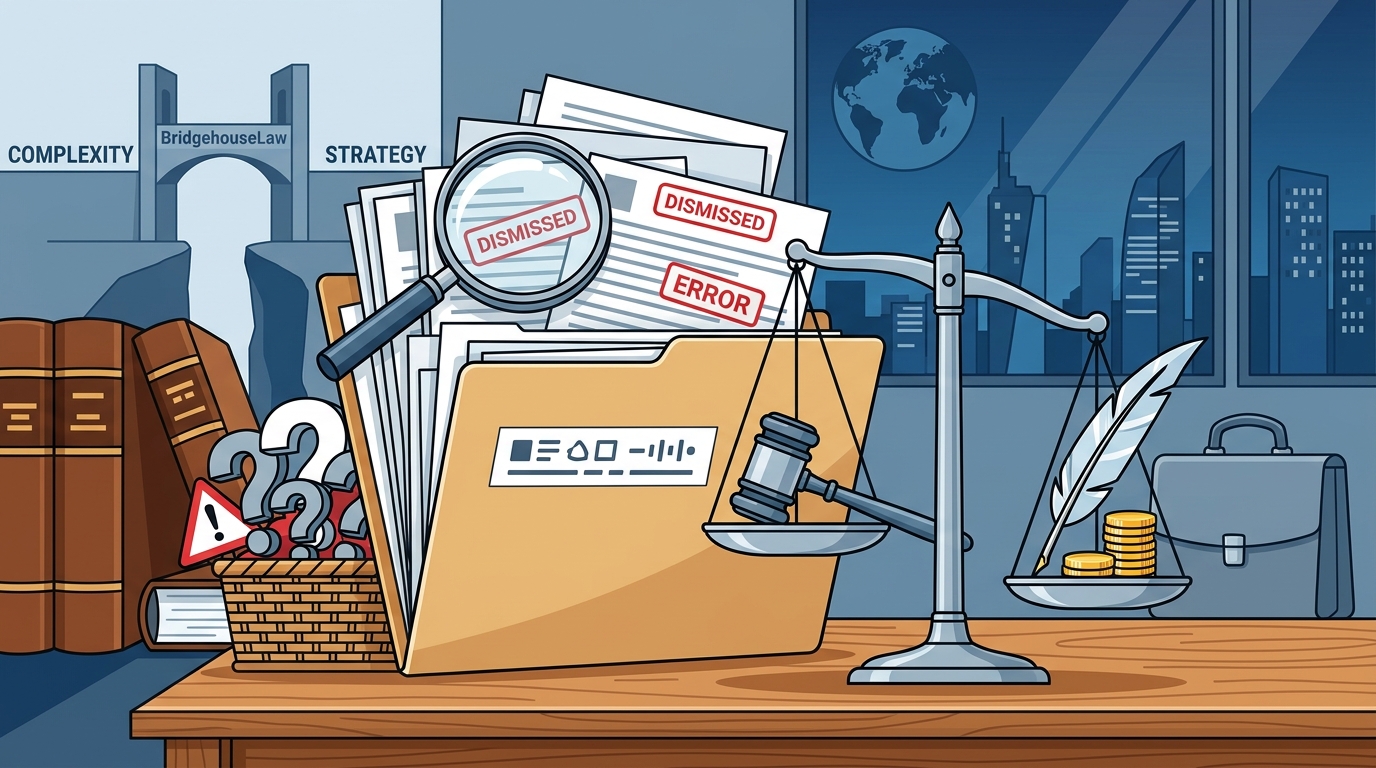
Wrongful termination claims are among the most complex areas of employment law, requiring precise legal strategy and immediate action. According to recent labor statistics, the number of employment discrimination charges filed with the Equal Employment Opportunity Commission (EEOC) consistently exceeds 60,000 annually, highlighting the prevalence of workplace disputes. However, the success rate of these cases often hinges on the quality of legal representation chosen during the critical early stages. Many employees make costly errors in their selection process, leading to dismissed claims or unfavorable settlements. This guide outlines the critical pitfalls to avoid when seeking legal counsel for wrongful termination.
The Critical Timing Mistakes
One of the most devastating errors employees make is delaying the search for legal counsel. Employment law operates under strict statutes of limitations. In many jurisdictions, you have a very short window to file a charge of discrimination with federal agencies like the EEOC before your right to sue is extinguished. Missing these deadlines is a fatal error that no lawyer can easily fix.
Another timing mistake is waiting until the termination process is fully complete before reaching out. If you are still in the exit interview phase or negotiating a separation agreement, you need legal advice immediately. Signing a release of claims without review can waive your right to pursue a wrongful termination suit. BridgehouseLaw provides expert employment law services to help clients navigate these high-stakes negotiations and protect their rights from day one.
Ignoring Specialization and Expertise
Not all lawyers are created equal, and general practitioners often lack the nuanced understanding required for complex wrongful termination cases. A common mistake is hiring a lawyer who specializes in family law, real estate, or criminal defense. While they are licensed attorneys, they may not be familiar with the specific evidentiary standards and procedural rules governing employment disputes.
You must seek an attorney who dedicates a significant portion of their practice to employment law. Look for attorneys who have a track record of handling wrongful termination, discrimination, and retaliation claims. During your consultation, ask about their specific experience with cases similar to yours. Do they have experience in your industry? Do they understand the specific regulations affecting your profession? Specialization matters because employment law is constantly evolving with new federal and state regulations.
Communication and Expectation Gaps
Legal proceedings can be lengthy and frustrating. A major mistake is failing to establish clear communication protocols with your attorney before retaining them. Some clients expect daily updates, while others are satisfied with monthly summaries. Misalignment on this front can lead to frustration and a breakdown in the attorney-client relationship.
Furthermore, be wary of attorneys who promise guaranteed outcomes. Ethical lawyers will discuss the strengths and weaknesses of your case, but they cannot guarantee a specific result. If a lawyer tells you that you will definitely win millions, proceed with extreme caution. Instead, look for a legal team that offers strategic, results-driven legal solutions tailored to your unique situation. At BridgehouseLaw, we prioritize transparent communication and realistic goal-setting to ensure our clients are informed throughout the process.
Misunderstanding Fee Structures
Legal fees can be confusing, and misunderstanding the cost structure is a common pitfall. Employment cases are often handled on a contingency fee basis, meaning the lawyer only gets paid if you win. However, some firms may charge hourly rates for certain phases of the case or require upfront costs for filing fees and expert witnesses.
Before signing a retainer agreement, ensure you fully understand the fee structure. Ask about potential additional costs, such as deposition expenses, court reporting fees, and travel costs. A reputable firm will provide a clear written explanation of their billing practices. BridgehouseLaw offers transparent consultation options to help you understand the financial implications of your legal journey without hidden surprises.
Poor Evidence Preservation Habits
Your lawyer is only as strong as the evidence you provide. A critical mistake is failing to preserve evidence immediately after termination. This includes saving copies of performance reviews, emails, text messages, and company policies. Many employees delete their work emails or return their company laptop, destroying crucial evidence in the process.
You should also document every interaction related to your termination. Keep a detailed journal of events, including dates, times, witnesses, and what was said. This contemporaneous documentation is often more credible than memories formed months later. If you are dealing with complex international or cross-border issues, consider how evidence preservation might differ across jurisdictions. Our team at BridgehouseLaw can guide you on contract law and evidence standards that apply to your specific case.
Overlooking Jurisdictional and Global Nuances
For employees working for multinational corporations or those with cross-border employment contracts, ignoring jurisdictional nuances is a severe mistake. Employment laws vary significantly between countries and even between states. For example, an employee working in North Carolina may have different rights than one working in California or Germany.
If your case involves international elements, you need a law firm with a global presence. BridgehouseLaw operates offices in Atlanta, Charlotte, Berlin, Cologne, Guatemala City, São Paulo, and Vancouver. This global reach allows us to navigate complex international labor laws and coordinate legal strategies across multiple jurisdictions. Whether you are facing wrongful termination in the U.S. or dealing with cross-border employment disputes, our multilingual legal team is equipped to handle the intricacies of your case.
Key Takeaways
- Act Immediately: Statutes of limitations for wrongful termination claims are strict. Delaying legal consultation can result in the permanent loss of your right to sue.
- Verify Specialization: Ensure your attorney specializes in employment law and has specific experience with wrongful termination and discrimination cases.
- Clarify Fees Early: Understand the fee structure, including contingency percentages and potential out-of-pocket costs, before signing any agreements.
- Preserve Evidence: Do not delete work emails or return company devices without legal advice. Document all interactions related to your termination.
- Check Global Capabilities: If your employment involves international elements, choose a firm with offices in relevant jurisdictions like BridgehouseLaw's network in North America and Europe.
- Manage Expectations: Avoid lawyers who guarantee outcomes. Look for those who provide realistic assessments and strategic planning.
- Communicate Clearly: Establish how and when you will receive updates on your case to maintain a productive attorney-client relationship.
Frequently Asked Questions
How long do I have to file a wrongful termination claim?
The deadline depends on the jurisdiction and the type of claim. In the U.S., you typically have 180 to 300 days to file a charge with the EEOC. However, state laws may have different deadlines. It is crucial to consult with an attorney immediately to determine your specific timeline.
Can I sue my employer for wrongful termination if I signed a separation agreement?
Suing after signing a separation agreement is difficult but not always impossible. Courts often uphold these agreements if they were signed voluntarily and with knowledge of your rights. However, if the agreement contains illegal waivers or was signed under duress, you may still have a claim. An experienced contract lawyer can review the agreement to determine its validity.
What is the difference between wrongful termination and layoff?
Wrongful termination occurs when an employer fires an employee for illegal reasons, such as discrimination or retaliation. A layoff is typically a business decision based on economic factors and is not necessarily illegal. Proving the illegal motive is key to a wrongful termination case.
How much does it cost to hire an employment lawyer?
Many employment lawyers work on a contingency fee basis, meaning you pay no upfront fees. The lawyer takes a percentage of the settlement or verdict. Other firms may charge hourly rates. BridgehouseLaw offers consultations to discuss fee structures and help you understand the costs involved.
Do I need a lawyer if my case is in a different country?
If your employment involves international elements, local laws may apply. A firm with a global presence, such as BridgehouseLaw with offices in Berlin, Cologne, and other global cities, can navigate these complexities effectively. Local counsel may still be required depending on the specific jurisdiction.
What evidence do I need to prove wrongful termination?
Key evidence includes performance reviews, emails, witness statements, company policies, and documentation of discriminatory or retaliatory behavior. Preserving this evidence immediately after termination is critical. Our team can advise on employment law evidence standards specific to your case.
Can BridgehouseLaw help with international wrongful termination cases?
Yes. With offices in North America, Europe, and South America, BridgehouseLaw specializes in cross-border legal matters. We can coordinate with local experts to ensure your rights are protected regardless of where the termination occurred.
Schedule Your Consultation
Do not let common mistakes jeopardize your wrongful termination claim. The right legal counsel can make the difference between a favorable settlement and a dismissed case. BridgehouseLaw offers comprehensive legal services tailored to your unique needs. Contact our office today to schedule a consultation and take the first step toward justice.
Visit our Contact Page to fill out our client intake form or call us directly at +1 (980) 219-5200. Our team is ready to provide the strategic, results-driven legal solutions you need.