

Common Mistakes When Selecting a Business Law Firm and How to Avoid Them
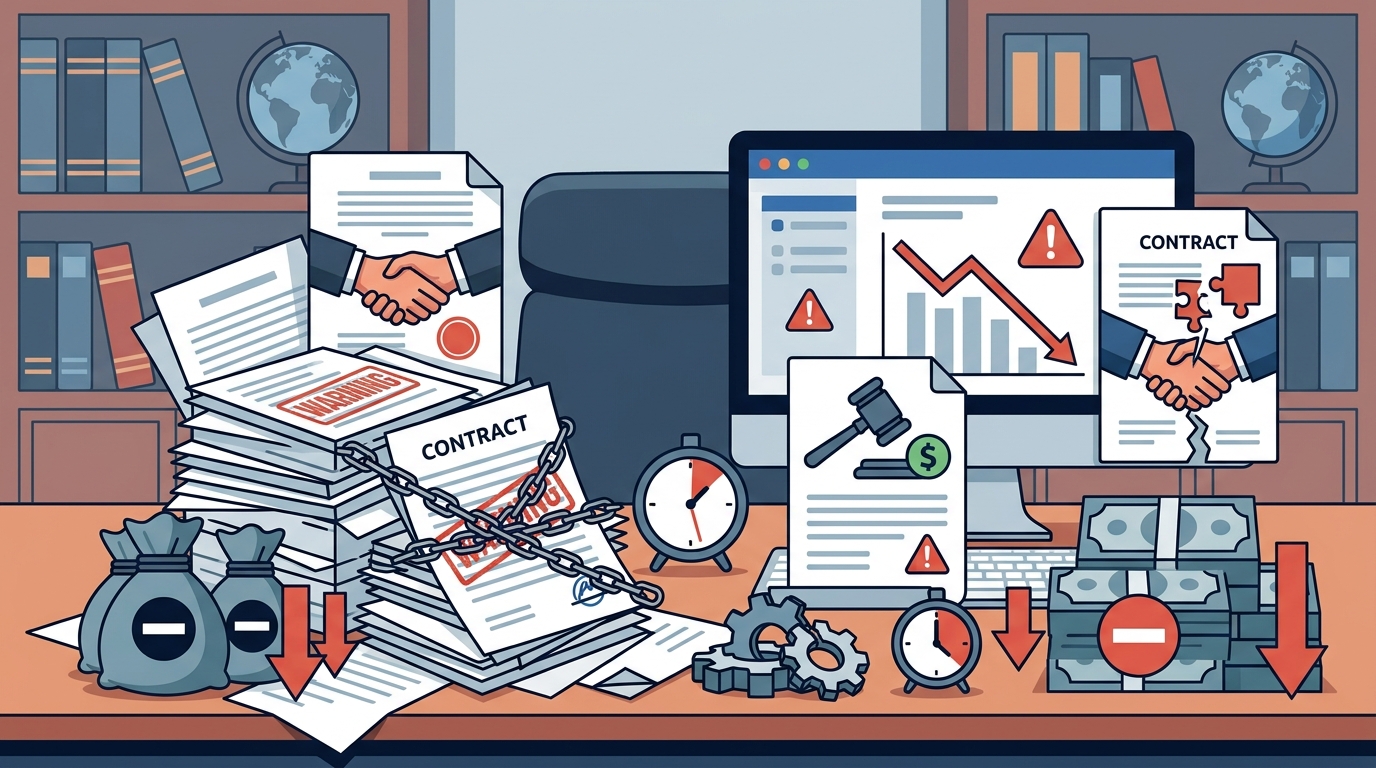
Choosing the wrong legal partner can cost a business millions in lost opportunities, regulatory fines, and operational paralysis. According to a 2024 study by the American Bar Association, over 60% of small business failures are linked to inadequate legal planning or poor contract management. This statistic highlights that legal counsel is not merely a reactive expense but a proactive strategic asset. At Bridge House Law, we see this pattern repeatedly: founders who treat legal services as a commodity rather than a critical infrastructure component. This guide details the most frequent errors entrepreneurs make during the selection process and provides actionable strategies to ensure you secure counsel that aligns with your growth trajectory. (Contact Us)
Mistake 1: Prioritizing Cost Over Specialization
The most immediate trap for many business owners is selecting a firm based solely on the lowest hourly rate. While budget constraints are real, legal fees should be viewed as an investment in risk mitigation. A low-cost generalist may miss nuanced regulatory requirements that a specialized attorney would catch immediately. The cost of rectifying a poorly drafted contract or a missed compliance deadline far exceeds the savings from choosing a cheaper provider.
Business law is not a monolith. It encompasses intellectual property, employment law, mergers and acquisitions, and corporate governance. Each area requires distinct expertise. When you hire a generalist for a complex IP dispute, you are essentially gambling with your core assets. Instead, evaluate the firm's track record in your specific sector. Look for case studies or client testimonials that demonstrate success in similar scenarios. At Bridge House Law, we emphasize that specialized knowledge translates directly to faster resolution and better outcomes, ultimately saving money in the long run.
Mistake 2: Ignoring Industry-Specific Expertise
Every industry has its own regulatory landscape and operational norms. A law firm that excels in real estate may be ill-equipped to handle the intricacies of healthcare compliance or technology licensing. This mismatch can lead to costly delays and strategic missteps. Understanding the specific challenges of your industry is crucial for effective legal representation.
For instance, a tech startup needs counsel who understands venture capital structures and equity compensation plans. A manufacturing company requires expertise in supply chain contracts and product liability. When evaluating potential firms, ask about their experience with businesses similar to yours. Do they understand your market dynamics? Can they anticipate industry-specific risks before they become problems? This proactive approach is a hallmark of top-tier legal service. You can learn more about our specialized services by visiting our services page.
Mistake 3: Failing to Assess Communication Styles
Legal jargon can be intimidating, but a good lawyer translates complex concepts into clear, actionable advice. If a potential attorney speaks in riddles or is difficult to reach, it is a red flag. Effective communication is the backbone of any successful attorney-client relationship. You need a partner who listens to your goals and explains the legal implications in terms you understand.
During initial consultations, pay attention to how the attorney responds to your questions. Do they take the time to explain their reasoning? Are they responsive to follow-up queries? Communication style is not just about clarity; it is about trust. If you feel unheard or confused during the selection process, it is unlikely to improve once the engagement begins. Bridge House Law prides itself on transparent, client-centered communication. We ensure that every client understands their legal position and the strategic path forward. Read our client communication philosophy to understand our approach.
Mistake 4: Overlooking Conflict of Interest Checks
Before engaging a firm, it is essential to verify that they do not have existing conflicts of interest. A conflict can arise if the firm represents a competitor or has previously handled a case adverse to your interests. Failing to check for conflicts can lead to disqualification later in the process, causing significant disruption to your legal strategy.
Reputable firms will conduct thorough conflict checks before accepting new clients. This is a standard ethical requirement. However, it is your responsibility to disclose any potential relationships or prior interactions that might create a conflict. Transparency at this stage protects both you and the firm. It ensures that your legal counsel is entirely dedicated to your interests without any competing obligations. For more information on our ethical standards, review our ethical guidelines.
Mistake 5: Neglecting Long-Term Strategic Alignment
Legal needs evolve as a business grows. A firm that is perfect for a startup may not be suitable for a mature corporation planning an IPO. Selecting a firm based only on immediate needs can lead to frequent changes in counsel, which is costly and inefficient. Instead, look for a firm that can grow with you. Consider their capacity to handle complex transactions, international expansion, or regulatory changes as your business scales.
Strategic alignment also involves cultural fit. Do the attorneys share your values and business ethic? Are they proactive in offering advice beyond the immediate legal issue? A strategic partner will help you navigate growth challenges, not just react to legal problems. Bridge House Law is structured to support businesses at every stage, from formation to exit. Explore our case studies to see how we have helped clients achieve long-term success.
Comparing Legal Service Models
Understanding the different ways legal services are structured can help you make a more informed decision. Below is a comparison of common engagement models.
| Service Model | Best For | Pros | Cons |
|---|---|---|---|
| Hourly Billing | Unpredictable legal needs | Pay only for time spent | Costs can escalate quickly |
| Flat Fee | Specific, defined tasks | Predictable costs | Limited scope of work |
| Retainer | Ongoing legal support | Priority access, budget control | Requires upfront commitment |
| Contingency | Litigation and disputes | No upfront cost | High percentage of recovery |
Key Takeaways
- Specialization Matters: Generalists may miss critical industry-specific nuances that specialized attorneys catch.
- Communication is Key: Choose a firm that translates legal complexity into clear, actionable business advice.
- Check for Conflicts: Always verify that the firm has no competing interests before signing an engagement letter.
- Think Long-Term: Select a partner who can scale with your business, not just handle immediate tasks.
- Value Over Cost: The cheapest option often leads to higher costs through errors and delays.
- Cultural Fit: Ensure the firm's values align with your business ethics and strategic goals.
- Proactive Advice: Look for attorneys who anticipate risks rather than just reacting to them.
Frequently Asked Questions
How do I know if a law firm is right for my business?
Evaluate their experience in your specific industry, their communication style, and their ability to provide strategic advice beyond immediate legal issues.
What is the difference between hourly billing and a retainer?
Hourly billing charges for time spent on your case, while a retainer is a pre-paid monthly fee that ensures priority access and budget control for ongoing legal needs.
Why is industry-specific expertise important?
Each industry has unique regulatory requirements and operational norms. Specialized attorneys understand these nuances and can provide more effective and efficient counsel.
Can a small business afford a top-tier law firm?
Yes. Many firms offer flexible pricing models, including flat fees for specific services and scalable retainers, to accommodate businesses of all sizes.
What should I look for in an initial consultation?
Look for clarity in communication, a clear understanding of your business goals, and a proposed strategy that aligns with your needs and budget.
How often should I review my legal counsel?
It is advisable to review your legal counsel annually or whenever your business undergoes significant changes, such as expansion, new product launches, or funding rounds.
What is a conflict of interest in legal representation?
A conflict of interest occurs when a firm's duty to a current or former client conflicts with its duty to a new client, potentially compromising the quality of representation.
Secure Your Business Future with Bridge House Law
Choosing the right legal partner is one of the most critical decisions you will make as a business owner. Avoid the common pitfalls outlined in this guide by prioritizing specialization, communication, and strategic alignment. Bridge House Law is dedicated to providing high-quality, specialized legal services that help businesses thrive. We understand the unique challenges of modern business and offer tailored solutions to protect your interests and support your growth.
Do not wait until a legal issue becomes a crisis. Schedule a consultation with Bridge House Law today to discuss your needs and explore how we can serve as your strategic legal partner. Visit our contact page to book your appointment.