

Selecting the right legal counsel for your agreements is a strategic decision that impacts your business's long-term stability. A contract attorney is a legal professional who drafts, reviews, and enforces written agreements to protect your interests. The quality of this partnership determines whether your contracts serve as protective shields or potential liabilities. This listicle outlines the essential attributes you must verify before signing a retainer or engaging a firm for your next major transaction.
1. Specialized Contract Law Expertise
Verify that the attorney has a dedicated practice area focused on contract law rather than general business litigation. Generalist attorneys may handle contracts as a secondary task, which can lead to missed nuances in specific industries. You need a professional who understands the specific terminology and regulatory frameworks of your sector. For instance, a lawyer experienced in construction contracts will handle indemnification clauses differently than one focused on software licensing. At BridgehouseLaw, our team specializes in drafting and reviewing agreements to ensure they align with your specific business goals.
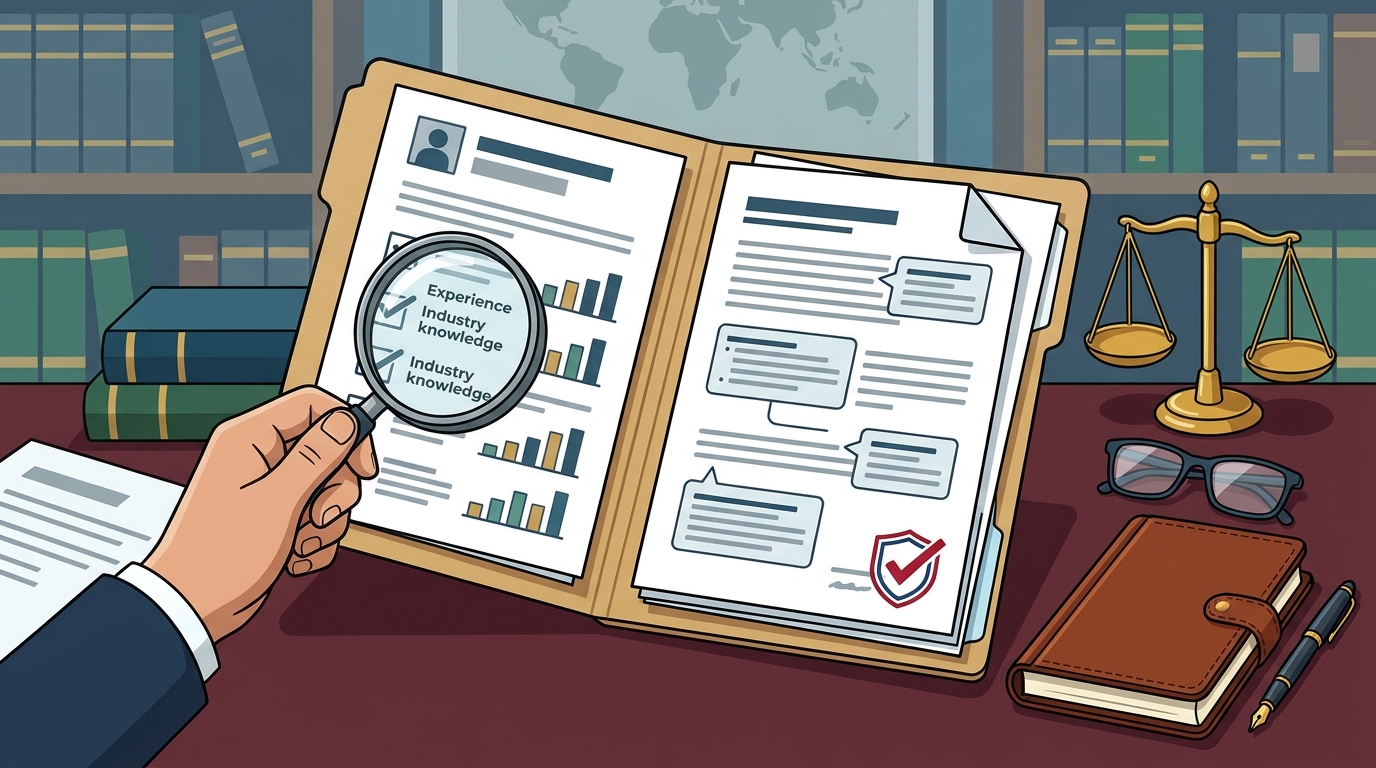
2. Proven Experience in Your Industry
Look for a track record of handling contracts similar to your own business model. Industry-specific knowledge allows an attorney to anticipate common pitfalls and regulatory changes. An attorney who has negotiated distribution agreements for manufacturing firms will understand the supply chain risks better than a generalist. This experience translates into faster drafting and more accurate risk assessment. It ensures that the legal language used is not only enforceable but also commercially practical for your operations.
3. Strong Communication and Clarity
Assess the attorney's ability to translate complex legal jargon into plain business language. A contract attorney is a strategic partner who must explain the implications of every clause clearly. If you find yourself confused by the legal terminology, you are not in a position to make informed decisions. Effective communication ensures that you understand the risks associated with each provision. This transparency builds trust and allows you to negotiate terms with confidence rather than blindly accepting standard boilerplate language.
4. Strategic Risk Management Approach
Evaluate how the attorney identifies and mitigates potential legal risks within the agreement. A top-tier contract lawyer does not just draft; they strategize. They should proactively identify gaps in liability, termination, and dispute resolution clauses. This approach prevents costly litigation down the line by addressing vulnerabilities before the contract is signed. You want a lawyer who thinks like a business owner, anticipating how the contract will perform under stress or during a dispute.
5. Responsiveness and Availability
Confirm the attorney's commitment to timely responses and accessibility during critical negotiations. Business deals often move quickly, and delays in legal review can cause you to lose opportunities. A responsive attorney ensures that your transaction timeline is not compromised by legal bottlenecks. Ask about their standard response times and how they handle urgent requests. This quality is crucial for maintaining momentum in fast-paced commercial environments where timing is everything.
6. Transparent Fee Structure
Understand the billing model and ensure there are no hidden costs associated with the engagement. Legal fees can vary significantly between hourly billing, flat fees, and contingency arrangements. A transparent attorney will explain their fee structure upfront and provide estimates for the scope of work. This clarity helps you budget effectively and avoid unexpected financial burdens. It also reflects the firm's professionalism and respect for your financial resources.
7. Reputation and Client References
Research the attorney's professional reputation and seek feedback from past clients. Reputation is a strong indicator of reliability and ethical standards. Check for reviews, testimonials, and professional recognitions within the legal community. Speaking with former clients can provide insight into the attorney's work ethic and negotiation style. A well-regarded attorney brings credibility to the table, which can be advantageous during negotiations with counterparties.
How to Choose the Right Fit
When evaluating these qualities, prioritize specialization and communication over cost alone. The cheapest option may lack the specific industry expertise or responsiveness you need. Focus on finding an attorney who understands your business model and communicates clearly. This alignment ensures that your contracts are not just legally sound but also strategically effective for your growth.
Frequently Asked Questions
What is the difference between a contract attorney and a general business lawyer?
A contract attorney specializes specifically in drafting, reviewing, and enforcing agreements, while a general business lawyer may handle a broader range of legal issues including corporate formation and employment law. Specialization often leads to deeper expertise in specific contract types and industry nuances.
How much does it cost to hire a contract attorney?
Costs vary based on the complexity of the contract and the attorney's experience. Some attorneys charge hourly rates, while others offer flat fees for standard agreements. It is important to discuss the fee structure and get a written estimate before beginning work.
Do I need a contract attorney for every business agreement?
While not every minor agreement requires legal review, significant contracts involving substantial financial risk or long-term commitments should be reviewed by an attorney. This ensures that your rights are protected and that the terms are enforceable.
Can a contract attorney help with breach of contract disputes?
Yes, contract attorneys often handle disputes arising from breached agreements. They can negotiate settlements, send demand letters, or represent you in litigation to enforce the terms of the contract.
How long does it take to draft a business contract?
The timeline depends on the complexity of the agreement and the level of negotiation required. Simple contracts may take a few days, while complex commercial deals can take several weeks. Clear communication with your attorney helps streamline the process.
What should I look for in a contract attorney's experience?
Look for experience in your specific industry and with the type of contract you need. An attorney who has handled similar agreements will be better equipped to identify risks and negotiate favorable terms.
Final Thoughts
Choosing the right contract attorney is a critical step in protecting your business interests. By evaluating these seven key qualities, you can find a legal partner who aligns with your goals and provides the expertise you need. For comprehensive legal support in contract law and other business matters, consider consulting with the team at BridgehouseLaw to ensure your agreements are robust and enforceable.